
EXTRA Good Points All Week for Guardians! Become a Guardian!
Early-Life Exposure to Green Space Reduces Neurodevelopmental Disorder Risks
Guest Contributor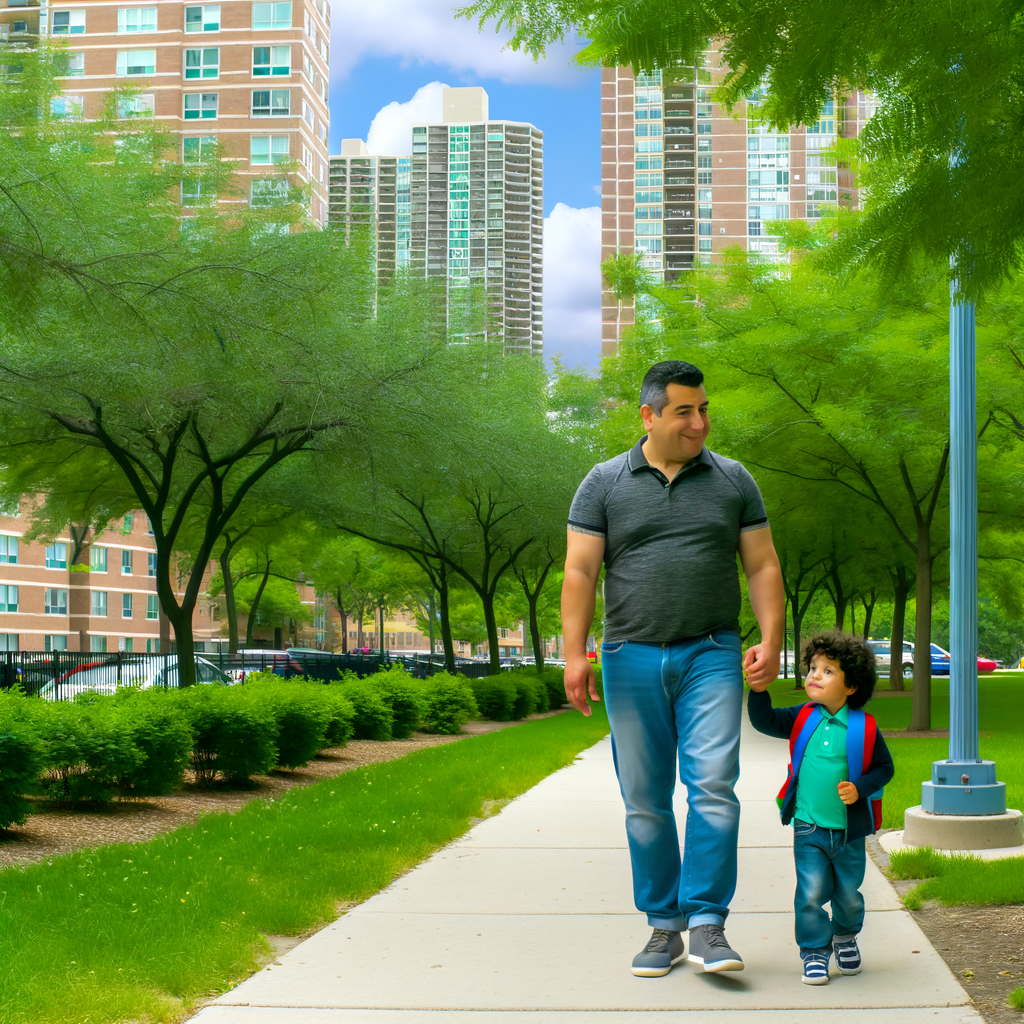
A new study from Rutgers University reveals a compelling link between early-life exposure to green space and a reduced risk of neurodevelopmental disorders in children. Drawing on data from over 1.8 million mother–child pairs enrolled in Medicaid, researchers found that children who lived in areas with higher vegetation levels before birth and in early childhood showed lower rates of conditions such as ADHD, autism spectrum disorder (ASD), and learning delays. This finding adds weight to the growing body of evidence suggesting that natural environments play a vital role in supporting healthy brain development.

Exposure to green space is increasingly recognized as an important environmental factor in child development. In this study, researchers used satellite imaging to assess vegetation levels—measured by the Normalized Difference Vegetation Index (NDVI)—in the ZIP codes where mothers lived during the preconception, prenatal, and early childhood periods. The analysis, published in Environment International, found that higher green space exposure across these critical windows was associated with a lower risk of several neurodevelopmental disorders.
What stood out to me was the study’s emphasis on the timing of exposure. The researchers observed that different periods of green space exposure were linked to specific developmental outcomes. For example, prenatal exposure was associated with a lower risk of ASD, while preconception exposure was linked to a reduced risk of intellectual disability. Early childhood exposure appeared to protect against learning difficulties. These findings suggest that the benefits of green space may operate through distinct biological mechanisms depending on the developmental stage.
Another important aspect of the study was its focus on equity. The protective effects of green space were found to be strongest among children living in urban areas and among Black and Hispanic populations. This suggests that increasing access to green environments could help reduce health disparities, particularly in socioeconomically disadvantaged communities. According to Stefania Papatheodorou, the study’s senior author and an associate professor at Rutgers School of Public Health, “Enhancing green space access in urban environments may support early childhood neurodevelopment and help reduce the burden of neurodevelopmental delays.”
Given the scale and diversity of the study population—over 1.8 million Medicaid enrollees from multiple states—the findings carry significant public health implications. The Medicaid population includes individuals who are often younger, more racially and ethnically diverse, and from lower income backgrounds. By examining this group, the researchers were able to explore how environmental factors like green space affect vulnerable populations who may face multiple barriers to health and well-being.
To ensure the robustness of their results, the research team adjusted for a range of individual and area-level confounders, and conducted multiple sensitivity analyses. The associations between green space and neurodevelopmental outcomes remained consistent, lending credibility to the idea that residential greenery may serve as a modifiable environmental factor. In other words, increasing access to green space could be a practical and low-cost intervention with long-term benefits for child development.
From an urban planning and public health perspective, these findings are particularly timely. As cities grapple with increasing population density and environmental stressors, integrating more green space into residential areas could offer a dual benefit: enhancing quality of life and promoting healthier developmental outcomes for children. The study’s authors note that future research will delve deeper into the biological and environmental mechanisms behind these associations, as well as examine how different types of green space—such as parks, walking trails, and recreational fields—might contribute to neurodevelopment.
It’s worth noting that green space has been linked to a range of mental health benefits beyond early childhood. Previous studies have shown that access to nature can reduce stress, improve mood, and enhance cognitive functioning in both children and adults. This new research adds a crucial dimension by highlighting how early exposure may influence long-term developmental trajectories, particularly in populations that are often underserved.
For parents, educators, and policymakers, the message is clear: green space matters. Whether it’s a neighborhood park, a tree-lined street, or a community garden, natural environments can play a vital role in shaping children’s health and development. As urban areas continue to grow, ensuring equitable access to these green spaces should be a priority—not just for aesthetic or recreational reasons, but as a foundational element of public health.
I found this detail striking: the strongest protective effects were observed in urban settings, where green space is often limited. This underscores the potential impact of targeted urban planning efforts. By prioritizing green infrastructure in cities, especially in low-income neighborhoods, we may be able to create healthier environments that support all children, regardless of their background.
In summary, the Rutgers study offers compelling evidence that early-life exposure to green space can reduce the risk of neurodevelopmental disorders. With benefits most pronounced among urban and minority populations, expanding access to natural environments could be a powerful tool in promoting health equity. As research continues to uncover the mechanisms behind these associations, one thing is clear: a greener future may also be a healthier one for the next generation.