
Families In Iowa And Beyond Face Uncertain Health Risks After the Army's Lead Azide Detonation
Matthew Russell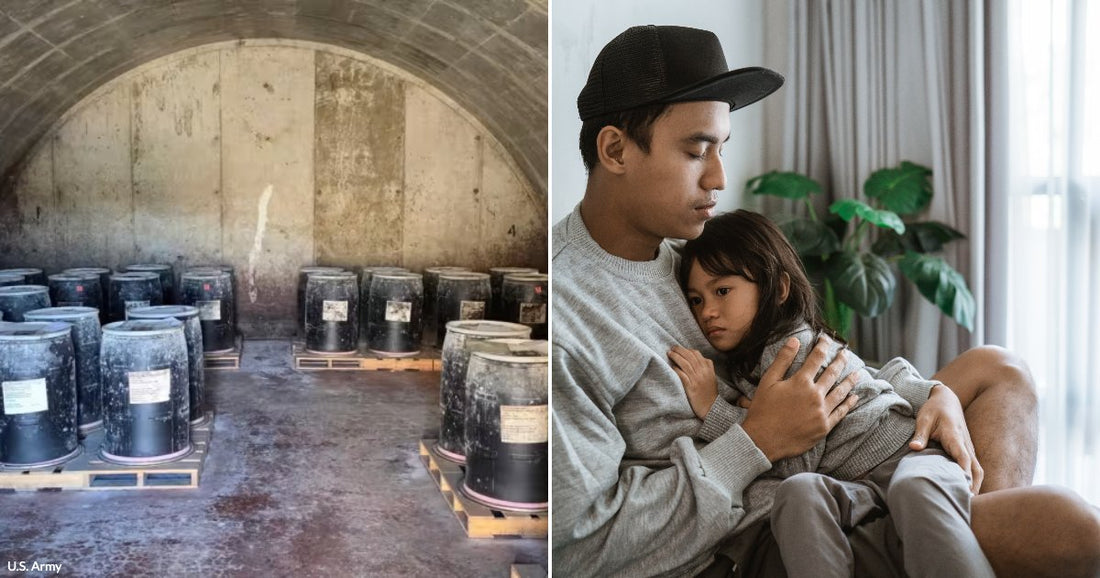
The U.S. Army has carried out the open-air detonation of approximately 4.7 tons of degraded lead azide at the Iowa Army Ammunition Plant in Middletown, Iowa. The Army determined that the material had become too unstable to transport or dismantle by conventional means. Before the operation, scientists warned that a disposal effort of this magnitude was unprecedented and could have serious environmental consequences.
With the explosive stockpile destroyed, attention must now turn to what may have been left behind. For the families living near the ammunition plant, the completion of the detonation offers little assurance about the safety of their homes, farmland and drinking water.

U.S. Army
Where Did the Lead Go?
Destroying a lead-based explosive does not eliminate the lead it contains. The detonation of lead azide can produce fine lead-containing particles capable of entering the surrounding environment.
Before the operation, Scientific American reported that no detonation of lead azide at this scale had ever been attempted. Scientists raised questions about how far airborne particles could travel and where they might settle.
Determining the answers to those questions is essential. Air monitoring can help establish the movement of airborne contamination, but soil, water and agricultural testing are also needed to understand whether the operation has created lasting environmental risks.

U.S. Army
Lead Can Remain in the Environment for Decades
Lead is a potent neurotoxin. Unlike many environmental contaminants, it does not naturally biodegrade. Once deposited in soil or sediment, it can persist for decades and create opportunities for repeated exposure.
Even low-level lead exposure is associated with serious health consequences, including cognitive impairment, developmental delays, cardiovascular disease and kidney damage, according to ABC News. Children and pregnant women are particularly vulnerable.
For agricultural communities, the potential consequences extend beyond immediate human exposure. Contaminated soil can expose livestock and wildlife to lead, while runoff can carry contaminated sediment into nearby waterways. Testing is needed to determine whether these risks have materialized around the ammunition plant.
Basic Precautions Cannot Replace Environmental Cleanup
Before the detonation, the Army advised nearby residents to take precautions that included remaining indoors and rinsing exposed surfaces, as reported by Chemical & Engineering News.
Public health experts interviewed by The Intercept questioned whether the recommended precautions were adequate given the potential scale of contamination.
Temporary precautions cannot establish whether a property has been contaminated or whether professional remediation is necessary. Residents need access to reliable environmental testing, evidence-based health guidance and qualified cleanup assistance wherever hazardous contamination is identified.
Families should not have to pay for private testing simply to determine whether their children can safely play outside or whether their drinking water has been affected.

Independent Scientists Must Be Part of the Response
In the days leading up to the detonation, independent researchers worked to establish monitoring networks amid concerns that official efforts might not capture the full extent of the potential contamination.
Science reported on efforts by university researchers and environmental scientists to track the anticipated lead plume. Eos documented similar efforts involving local residents and researchers working under significant time pressure.
These independent monitoring efforts remain important after the detonation. Data collected before and during the operation can help researchers distinguish newly deposited lead from existing environmental contamination. Continued sampling can help identify areas requiring additional investigation and remediation.
The federal government should provide funding and logistical support for independent testing while ensuring that researchers can publish their findings without interference. Residents deserve timely access to the results, including clear explanations of what measured contamination levels mean for their health and property.
The Environmental Review Cannot End With the Detonation
Environmental organizations called for a halt to the operation until a more thorough environmental review could be completed, according to Iowa Capital Dispatch. Reporting by the Associated Press, published in USA Today, indicated that the Army proceeded with its disposal plans without completing a full environmental impact statement.
The opportunity to conduct that review before the detonation has passed. Federal agencies can still undertake a rigorous assessment of the operation's actual consequences, using independent monitoring data, environmental samples and public health information to guide their response.
Such an assessment should identify potentially affected communities, establish priorities for further testing and determine where cleanup is necessary. It should also examine whether stronger safeguards could reduce environmental risks during future military hazardous-material disposal operations.
Families and Farmers Should Not Have to Pay for the Fallout
The people living and working near Middletown did not make the decision to destroy the Army's hazardous stockpile in the open air. They should not be expected to absorb the costs of determining or addressing the environmental consequences.
The Army and the Environmental Protection Agency must coordinate a response that includes independent environmental testing, accessible lead exposure screening, transparent public reporting and federally funded remediation wherever contamination attributable to the detonation is found.
Farmers and property owners who experience documented losses should also have access to a fair process for seeking compensation. No family should be forced to choose between protecting their health and protecting their financial future.
The Army has completed the destruction of its hazardous stockpile. Its responsibility to the surrounding communities must continue for as long as the environmental consequences require attention.
Click below to demand federal accountability and lasting protection for the people, farmland and waterways potentially affected by this operation.
