
NOAA Moves to Strip Federal Fishing Limits That Shield Critically Endangered Leatherback Sea Turtles
Matthew Russell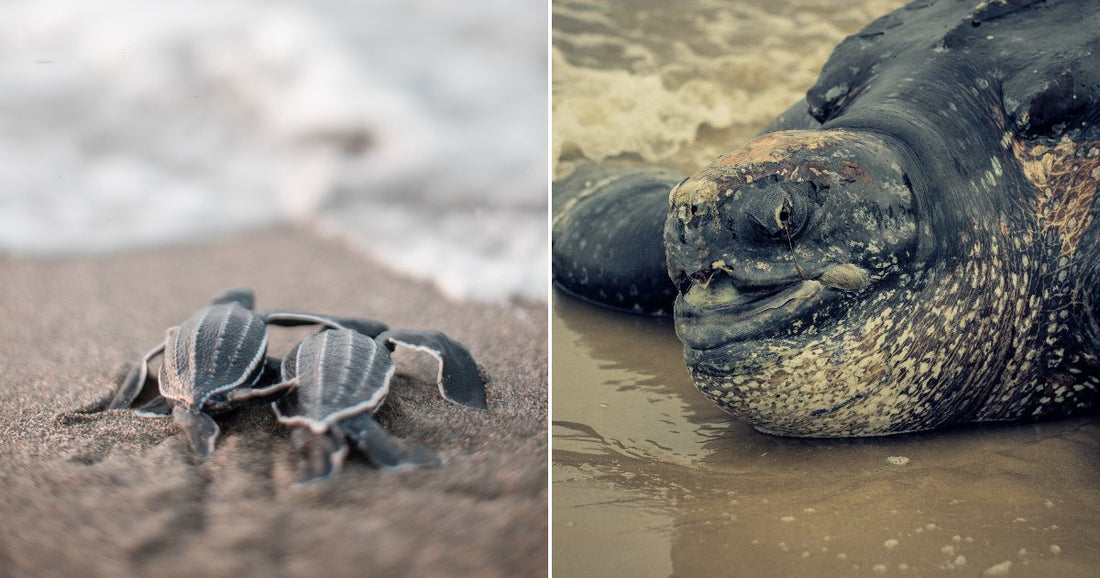
Leatherback sea turtles have survived for more than 100 million years. Today, the Pacific leatherback population is critically endangered, with researchers at Upwell documenting steep, sustained declines across Pacific nesting beaches. One of the few concrete legal safeguards protecting them in U.S. waters is now under direct threat from within the federal government itself.

What the Hard Cap Does — and Why It Exists
In 2020, NOAA Fisheries finalized a rule establishing firm interaction limits for the Hawaii shallow-set longline fishery — the commercial fleet that sets hooks across vast stretches of the Pacific to catch swordfish and tuna. The rule created a fleet-wide hard cap on leatherback sea turtle interactions: once the fishery reaches that number, it closes for the remainder of the season. A "strike-two" provision goes further, shutting down any individual vessel that interacts with a leatherback turtle twice in the same year. These weren't arbitrary restrictions. They were required under the Endangered Species Act after biological review determined the fishery's impact on leatherbacks could not legally continue unchecked.

NOAA's New Directive Moves to Eliminate Those Limits
In July 2026, the Assistant Administrator for Fisheries at NOAA sent a formal letter to the Western Pacific Regional Fishery Management Council directing the body to prioritize removal of the leatherback hard cap and strike-two trip limit. The letter framed the caps as barriers to fishing access and commercial productivity, citing Executive Order 14276. Inside Climate News reported that the directive is part of a broader federal push to roll back marine protections in favor of expanded fishing industry operations.
The Council took up the issue at its August meeting, with agenda items covering multiple commercial fishing restrictions, including those at protected areas like Rose Atoll, according to Samoa News. By September, the Council had formally advanced actions on the sea turtle interaction limits. A Council press release confirmed that rulemaking to modify the leatherback caps is now moving forward.

The Species This Would Affect
Pacific leatherbacks are the largest sea turtles on Earth and among the most endangered. Their primary food source is jellyfish, making them impossible to replace in ocean ecosystems that depend on them for balance. NOAA's own bycatch data shows that the Hawaii shallow-set longline fishery has historically been a significant source of leatherback interactions, including serious injuries and deaths. The 2020 rule was a direct response to that record.
Removing the cap does not eliminate the interactions — it eliminates the ceiling on how many can legally occur.

What Happens Next
The rulemaking process is underway, but no final rule has been adopted. That means there is still time for public pressure to redirect this process. NOAA Fisheries, under the U.S. Department of Commerce, has the authority to withdraw its directive to the Council and preserve the existing ESA-compliant protections while any review proceeds.
Click below to make a difference.