
🚨Urgent: Missile Strikes Shelter in Ukraine! Rush Emergency Aid!
Pacific Heat Waves Put Loggerheads In Gillnet Danger
Matthew Russell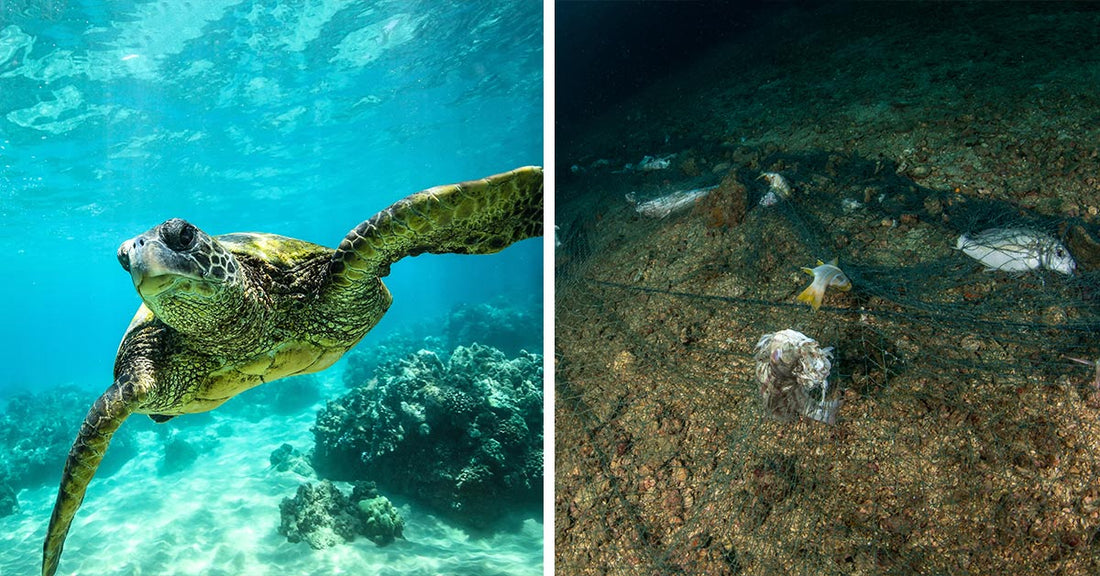
Loggerhead sea turtles do not treat the Pacific as a boundary. They cross it.
NOAA Fisheries says loggerheads found off Southern California are part of the North Pacific population, which begins on nesting beaches in Japan. Hatchlings drift and swim across the ocean. Some spend decades feeding along the eastern Pacific before they mature.
Southern California waters matter most during unusually warm periods.
NOAA researchers found no loggerheads during aerial surveys in September and October 2011. During the same period in 2015, they found more than 200 and estimated more than 15,000 turtles in the area.

Loggerhead sea turtles cross the Pacific Ocean.
A Closure Meant To Prevent Drowning
In June 2026, NOAA Fisheries closed the Pacific Loggerhead Conservation Area to large-mesh drift gillnet fishing through August 31. The agency said sea surface temperatures off Southern California were warmer than normal and El Niño conditions were likely.
The rule applies to waters east of 120 degrees west longitude in the Southern California Bight. NOAA said the action protects the endangered North Pacific Ocean loggerhead population.
The Center for Biological Diversity says the Pacific Loggerhead Conservation Area covers about 25,000 square miles and was created to prevent the drift gillnet fishery from jeopardizing loggerheads’ existence.

Gillnets can become deadly walls in the ocean.
Deadly Gear Should Not Return Too Soon
Turtle Island Restoration Network says the closure stretches from Point Conception south to the U.S.-Mexico border during El Niño conditions. The group also warns that driftnets entangle turtles, whales, sharks, and other marine life.
NOAA says loggerhead recovery depends in part on reducing bycatch in fisheries, including through time and area closures.
The Pacific Fishery Management Council has noted that federal law allows continued use of large-mesh drift gillnet gear only until no later than December 2027.

Endangered turtles need safe feeding grounds.
NOAA should enforce the 2026 closure, reject premature reopening, increase monitoring, and finish the phase-out on schedule.
Loggerheads should not survive a journey across the Pacific only to drown in preventable fishing gear.
Sign the petition to urge NOAA Fisheries to protect loggerhead sea turtles during Pacific heat waves.
