
National Animal Shelter & Rescue Appreciation Week Support A Shelter Today!
Interior Department Races to Auction 67 Million Acres of Pacific Ocean Floor Over Fierce Opposition
Matthew Russell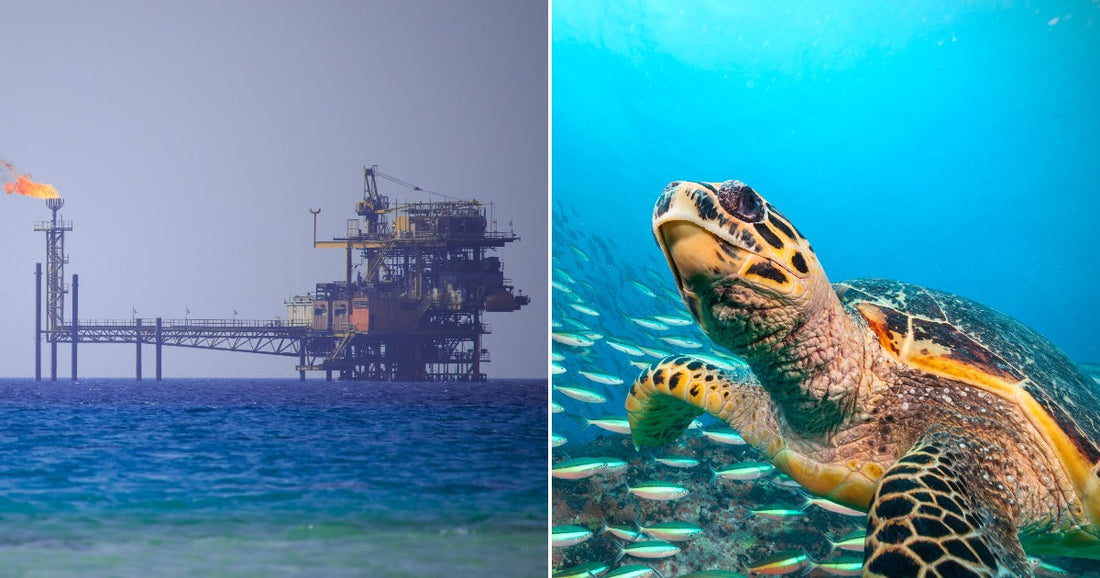
On December 16, 2026, the U.S. Department of the Interior is scheduled to hold a lease sale that would open approximately 67 million acres of ocean floor near the Commonwealth of the Northern Mariana Islands (CNMI) to commercial deep-sea mining. The sale — designated PACM-2 — covers a vast stretch of the Pacific Outer Continental Shelf, and it is moving forward over the objections of local governments, Indigenous communities, and environmental advocates who say the process has been rushed, opaque, and legally flawed.

What's at Stake on the Ocean Floor
The targeted area contains mineral-rich formations including polymetallic nodules and crusts. Mining at those depths would involve industrial-scale equipment dragging or cutting through ecosystems that have developed over millions of years. According to the Congressional Research Service, commercial seabed mining on the U.S. Outer Continental Shelf has no regulatory precedent — no leases have ever been issued, and no full environmental impact statement has been completed for a project of this scale. The science on long-term ecological damage to deep-sea habitats, sediment plumes, and impacts to species protected under the Endangered Species Act remains incomplete.

Local Governments Say They Were Left Out
Opposition from within the islands has been forceful. Every mayor in the CNMI signed a joint statement rejecting the mining proposal, citing threats to fishing, marine ecosystems, and community livelihoods, according to Isla Public Media. The island of Guam — whose waters and fishing grounds border the proposed lease area — has demanded formal government-to-government consultation that it says has not been meaningfully offered, as reported by Radio New Zealand. Even the CNMI governor, while not opposing mining outright, has called for revenue sharing agreements and enforceable environmental safeguards that are not currently part of the proposal, per Isla Public Media.

A Lawsuit and a Legal Tangle
In September 2026, CNMI community groups filed a federal lawsuit seeking to halt the lease sale. As covered by Pacific Scoop / RNZ Pacific, the suit argues that the Interior Department failed to conduct adequate environmental review and did not obtain the consent of affected communities before proceeding. Earthjustice, which is supporting the legal challenge, contends the process violated federal environmental law, including obligations under the Endangered Species Act. The broader legal framework for seabed mining has grown more complicated since a 2025 executive order accelerated permitting timelines, a shift analyzed in depth by the Foley Hoag Energy and Climate Counsel Blog, which notes that key statutory questions around environmental review and Indigenous consultation remain unresolved.

A December Deadline That Doesn't Have to Stand
The Secretary of the Interior has the authority to cancel or postpone PACM-2. Advocates, mayors, and legal experts are calling for exactly that — a pause until a full environmental impact analysis is complete, Endangered Species Act consultation is finalized, and the communities of the CNMI and Guam have a genuine seat at the table. The December date is not fixed by law. It is an administrative choice, and it can be changed.
Sign the petition urging the Secretary of the Interior to cancel or indefinitely postpone this lease sale before irreversible decisions are made about one of the Pacific's most ecologically significant ocean environments.
Click below to make a difference.
