
🚨Urgent: Missile Strikes Shelter in Ukraine! Rush Emergency Aid!
America’s Most Beloved Butterfly Is Stuck In Federal Limbo
Matthew Russell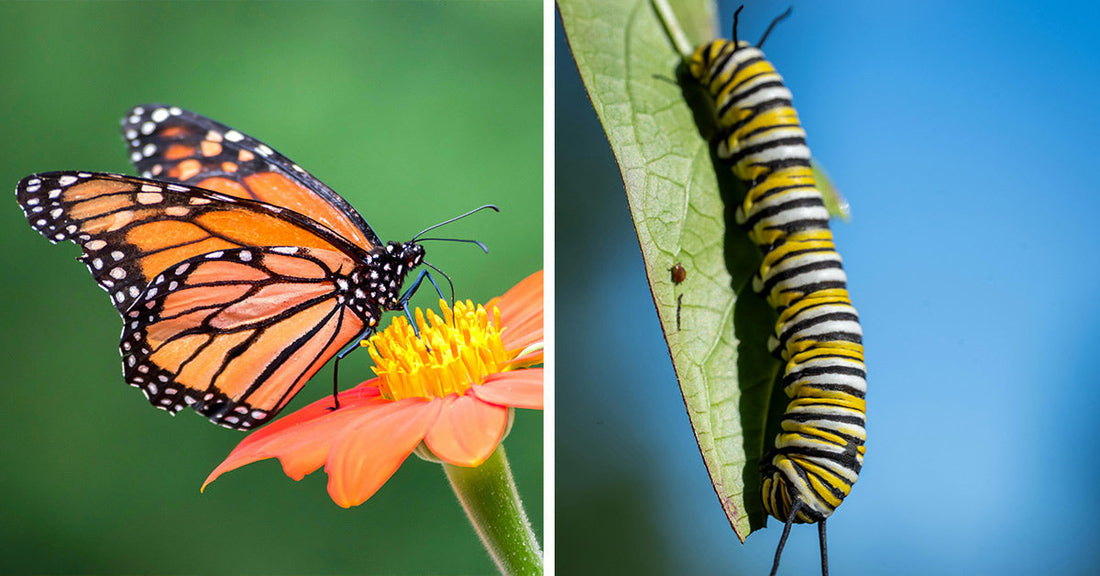
The Trump administration has delayed a final decision on federal protections for monarch butterflies, leaving the species without new Endangered Species Act safeguards after years of warnings about its decline. The U.S. Fish and Wildlife Service had proposed listing the monarch as threatened in December 2024, but the rule has now been moved into a long-term category, AP News reports.
The delay does not formally kill the listing. It does mean the government does not expect to complete the rule within the current regulatory year. The Xerces Society says that could push a final decision into fall 2026 at the earliest.

Monarch butterflies are still not federally protected.
A Butterfly Still Waiting For Protection
The proposed rule would list the monarch as threatened, create a species-specific 4(d) rule, and designate about 4,395 acres of critical habitat in seven coastal California counties, according to the Federal Register. Those sites matter because western monarchs overwinter along the California coast.
The U.S. Fish and Wildlife Service says monarchs are not federally protected now because protections would only begin after a final rule. Its own assessment found eastern monarchs face a 56% to 74% probability of extinction by 2080, while western monarchs face a probability greater than 95%.

A final protection decision has been delayed indefinitely.
The Numbers Show A Fragile Recovery
Some recent counts brought welcome news. A WWF-led survey found eastern monarchs occupied 7.24 acres of Mexican overwintering forest during the 2025-2026 season, up from 4.42 acres the previous winter, World Wildlife Fund reports. Monarch Joint Venture reported the same 64% increase in hectare terms.
But the broader picture remains dangerous. Monarchs have lost breeding, migratory, and overwintering habitat. The federal proposal cites herbicide use, agriculture, logging and thinning at some Mexican overwintering sites, California coastal habitat problems, drought, insecticides, and climate change as threats.

The species was proposed for threatened status in 2024.
Conservation Groups Push Back
The Center for Biological Diversity and Center for Food Safety sued in February to force a final decision, arguing that the missed deadline increases extinction risk. The Center for Biological Diversity says the monarch was proposed for protection in 2024, which made the final listing due in 2025.
For now, the monarch remains in limbo. Its recovery depends on milkweed, nectar plants, safer habitat, and overwintering sites that remain intact long enough for the next generation to return. Federal protection has not arrived. The migration continues without it.
