
🚨Urgent: Rush Aid to People & Pets in Nepal's Devastating Floods! Help Now!
Industrial Trawlers Threaten Nursing Fur Seal Mothers
Matthew Russell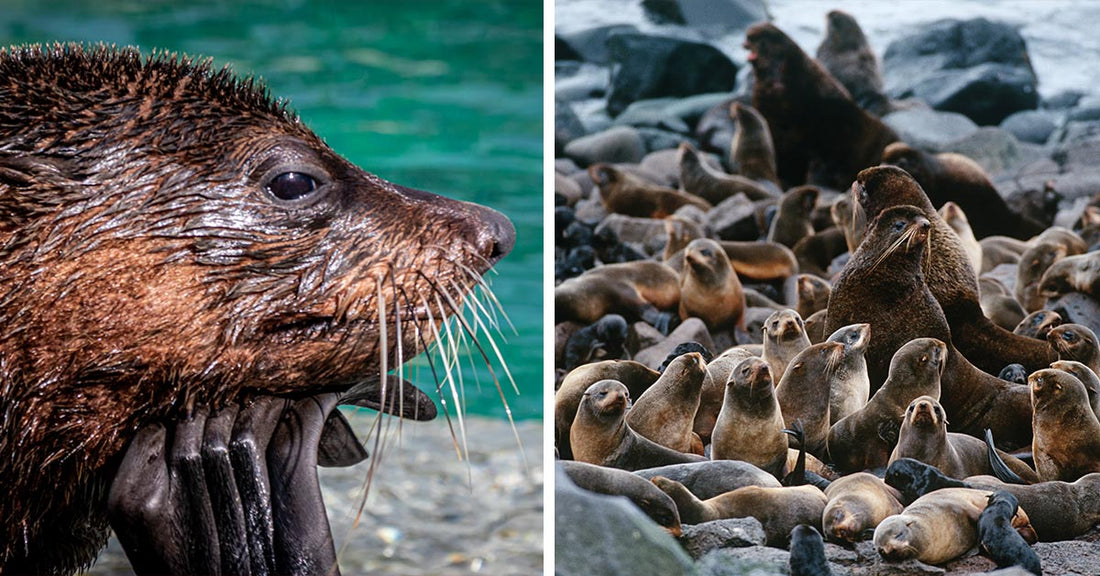
Each summer, northern fur seals return to St. Paul Island in Alaska’s Pribilof Islands to give birth and nurse their pups.
The mothers do not stay on shore. They must leave their pups behind, forage at sea, and return with enough energy to nurse.
That makes food near St. Paul critical.
NOAA Fisheries says northern fur seals spend most of the year in the open ocean but use island beaches for resting, molting, reproduction, and raising young. In the Bering Sea, pollock are a major prey source.

Northern fur seal mothers need safe feeding grounds.
A Depleted Population Faces More Pressure
The Center for Biological Diversity sued NOAA Fisheries in April 2026, arguing that the agency failed to protect St. Paul fur seals from prey competition with the massive Bering Sea pollock trawl fishery.
Alaska Public Media, republishing Alaska Beacon, reported that the lawsuit centers on nursing females who rely on pollock to feed their pups. The Center cites a 70% decline on St. Paul Island since the 1970s.
NOAA’s Alaska Fisheries Science Center says the Pribilof Islands were once home to about 75% of the world’s northern fur seals, but their numbers have dropped sharply in recent decades. Pup production in 2016 was the lowest recorded in 100 years.

Fur seal pups depend on nursing mothers.
Fishery Rules Must Protect Seal Pups
SeafoodSource reported that the lawsuit asks the court to force NOAA Fisheries to ban pollock trawling around St. Paul Island during the summer pupping season.
A 2021 study in the Journal of Marine Science and Engineering found support for an inverse relationship between pollock catches and first-year fur seal pup survival.
NOAA has already designated the Pribilof population as depleted under the Marine Mammal Protection Act. That should lead to stronger safeguards, not business as usual.

St. Paul Island is a critical fur seal rookery.
Federal fishery managers should restrict trawling around St. Paul during pupping season, protect key foraging areas, and set catch rules that account for depleted marine mammals.
Fur seal pups should not go hungry because industrial trawlers take too much from the waters their mothers depend on.
Sign the petition to urge NOAA Fisheries and federal fishery managers to protect northern fur seal feeding grounds from industrial pollock trawling.
