
🚨Urgent: Rush Aid to People & Pets in Nepal's Devastating Floods! Help Now!
Billions of Plastic Pellets Are Poisoning Our Waterways
Matthew Russell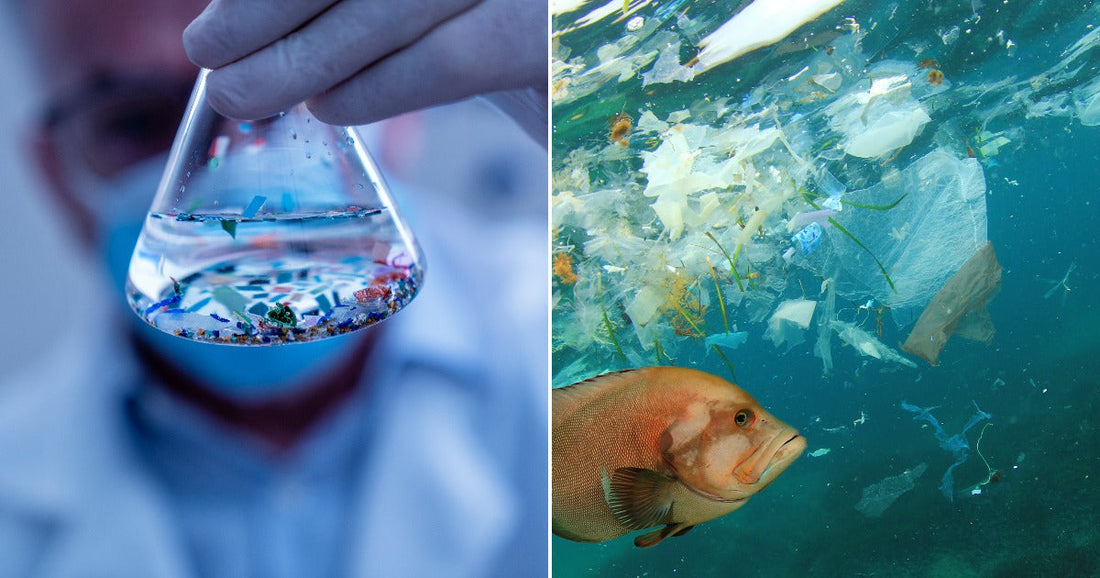
They're smaller than a pea, usually white or translucent, and most people have never heard of them. But nurdles — the raw plastic pellets used to manufacture nearly every plastic product on earth — are turning up in rivers, on beaches, and in the bodies of wildlife at an alarming rate. And unlike a plastic bottle or a straw, they're almost impossible to clean up once they're out in the environment.

Nurdles are small plastic pellets used as the raw material for manufacturing nearly every plastic product in existence.
What Are Nurdles and How Do They Spread?
Nurdles are the starting point for plastic production. Manufacturers melt them down and mold them into finished goods — everything from food packaging to car parts. The problem is that these pellets spill easily during handling, transport, and production, and their size makes containment difficult. They slip through drains, wash into stormwater systems, and eventually reach waterways before anyone notices.
According to Stateline, nurdles are now among the most common forms of plastic pollution found on beaches and in waterways across the United States. Once in the water, they behave like tiny sponges, absorbing chemical contaminants from the surrounding environment. Marine animals and birds frequently mistake them for fish eggs or other food. When ingested, nurdles can cause internal injuries and deliver a concentrated dose of toxins directly into the food chain.

Because of their small size, nurdles slip easily through drains and stormwater systems during handling, transport, and production.
The Scope of the Problem on American Shores
South Carolina offers a clear picture of how bad things have gotten. Volunteers and researchers combing the state's coastline have found nurdles embedded in sand, tangled in marsh grass, and accumulating in tidal zones. As Charleston City Paper reported, experts there describe nurdles as a persistent and frustrating form of pollution — one that resists even determined cleanup efforts because of the sheer volume involved and the way the pellets migrate with currents and tides.
That frustration is shared by communities near industrial facilities across the country. Nurdle pollution isn't random. It traces back to specific points of discharge — factories, shipping terminals, processing plants — where pellets enter stormwater systems and flow directly into rivers and streams.

Nurdles are now among the most common forms of plastic pollution found on beaches and in waterways across the United States.
A Legal Settlement Shows What's Actually Possible
In 2025, PennEnvironment and Three Rivers Waterkeeper reached a landmark legal settlement with Styropek USA after documenting the company's discharge of billions of pellets into Raccoon Creek and the Ohio River, according to the National Environment Law Center. Styropek agreed to pay $2.6 million in penalties. More significantly, the settlement required the company to implement a strict zero-discharge policy — backed by a redesigned stormwater system, advanced monitoring technology, and automatic financial penalties triggered by any future pellet releases.
The Styropek case matters because it proves the goal is achievable. With the right infrastructure and enforceable accountability measures, industrial facilities can prevent nurdle pollution at the source. Prevention, it turns out, is far more effective — and far less costly to communities and ecosystems — than any cleanup effort after the fact.

Marine animals and birds frequently mistake nurdles for fish eggs or food, leading to ingestion and internal injuries.
The Case for a National Standard
Right now, no federal zero-discharge standard exists for nurdle-handling facilities. That gap means enforcement is inconsistent, spills go unpenalized, and communities downstream bear the consequences. What worked for one Pennsylvania company, under legal pressure, could work across the industry — with the right national policy in place.
A petition to the EPA Administrator is calling for exactly that: a strict, enforceable national zero-discharge standard for facilities that handle plastic pellets, including stormwater controls, real-time monitoring, and automatic penalties for violations.
Click below to make a difference.
