
Orcas Turn Puget Sound Into a Hunting Ground for Terrified Seabirds
Matthew Russell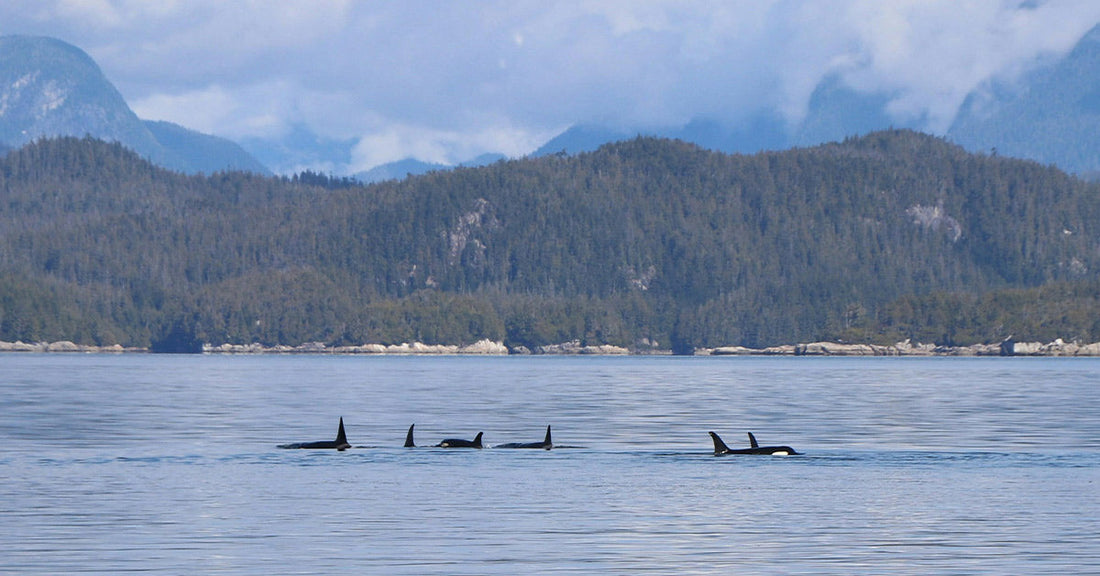
Bigg’s killer whales have been spotted stalking seabirds in Puget Sound, revealing a behavior that researchers say offers a rare look into how these apex predators learn, adapt, and teach. Teams from the Orca Behavior Institute and the Center for Whale Research documented the activity during November fieldwork, where birds became targets not for food, but for practice, according to The Inertia.

Bigg’s killer whales were seen stalking seabirds in Puget Sound.
A Silent Approach in Shallow Water
Researchers attempted to record orca vocalizations during active hunts. Instead, they watched the whales move quietly through the shallow waters of Murden Cove. A drone captured three orcas stirring mud with their flukes while another peeled away to surprise a cluster of loons and surf scoters, behavior described in CHEK News.
The silence puzzled researchers, who said Bigg’s orcas typically vocalize before and after hunts. The lack of sound suggested a different intent.

Researchers documented the whales moving in complete silence during the encounters.
Target Practice, Not Predation
Scientists believe the whales were not attempting to eat the birds. Instead, the birds became moving targets in a training exercise. Observers told the *Vancouver Sun* that one auklet, too full of fish to fly, endured repeated tail slaps and pounces for nearly half an hour, behavior consistent with what earlier research has described as skill-building rather than predation, as noted by Vancouver Sun.
Other witnesses in the region described orcas herding murres between members of the pod and even attempting to launch birds into the air while another whale spy-hopped to track the outcome. Such coordinated displays resemble the teamwork Bigg’s orcas use during hunts on marine mammals.
What the Behavior Means for the Species
This activity appears most common among juveniles, who refine precision, stealth, and chase techniques by harassing birds. Researchers have long connected these playful yet violent episodes to future success capturing seals and porpoises. As documented by *The Inertia*, one expert explained that juveniles gain valuable handling skills from these encounters, which may raise their odds of survival as they mature.
Bigg’s killer whales, once threatened by declines in marine mammal populations, now number around 400 individuals across the Pacific Northwest. Their continued recovery depends on access to robust prey and safe habitat. Behaviors like seabird targeting suggest a population still sharpening its abilities, building knowledge across generations, and adapting within a changing ecosystem.
