
Pet Parents Finally Catch a Break as Food Prices Show Signs of Relief
Matthew Russell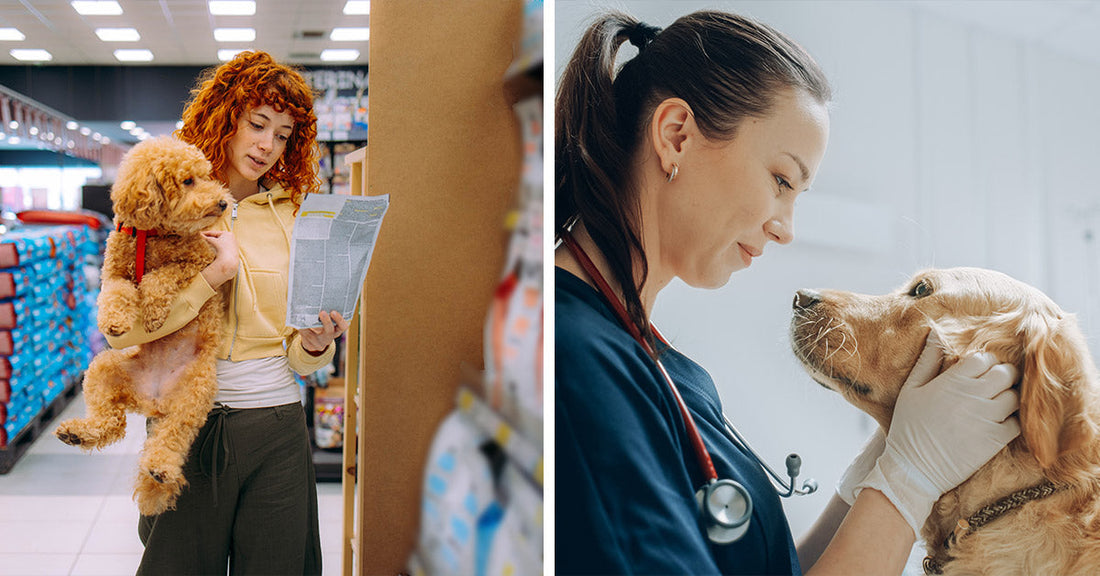
After years of soaring costs, pet owners may finally be seeing a break. New inflation data suggests the price of feeding dogs and cats has begun to stabilize, even as broader consumer prices continue to climb.
The shift offers welcome news for households that have absorbed years of rising costs for food, veterinary care, and everyday pet supplies. While no one expects prices to return to pre-pandemic levels, recent trends suggest the sharpest increases may be behind us.

Pet food inflation has cooled.
Pet Inflation Cools Faster Than the National Rate
According to Petfood Industry, overall pet inflation slowed to 3.2% in May, down from 3.8% in April, even as the national Consumer Price Index rose to 4.2%.
Pet food prices fell 0.4% from April and rose just 1.8% year over year. Data from the U.S. Bureau of Labor Statistics shows grocery inflation also moderated, though many household expenses continue to rise faster than wages.
Historical data tracked by the Federal Reserve Bank of St. Louis shows pet food prices remain far above pre-pandemic levels despite recent declines.

Pet owners may finally see some relief at checkout.
Years of Higher Prices Changed How People Shop
Consumers have adapted to years of “petflation.” According to Petfood Industry, private-label brands and online shopping have gained traction as owners search for value without sacrificing quality.
Long-term inflation remains significant. Analysis from Pet Business Professor found pet prices remain more than 30% above 2019 levels across many categories.

Veterinary care still costs more each year.
Veterinary Costs Continue to Challenge Families
Food may be getting cheaper, but other expenses continue to strain budgets. Axios reports that veterinary care remains one of the fastest-growing pet expenses, leading some owners to delay visits or reduce discretionary spending.
Yet Americans continue to prioritize their animals. The American Pet Products Association estimates U.S. pet industry spending reached record highs in recent years, reflecting the deep bond between people and their pets.

Pet spending reached record highs in recent years.
Relief Arrives but Budgets Remain Tight
For many families, even small price declines matter. The latest inflation numbers suggest feeding a pet may become a little easier in the months ahead.
Still, after years of steep increases, pet ownership remains a major financial commitment. While the pressure has eased, few pet parents would say the cost of care has returned to normal.
