
🚨Urgent: Missile Strikes Shelter in Ukraine! Rush Emergency Aid!
Record Number of Female Glow-Worms Spotted at Ketton Quarry in Rutland
Guest Contributor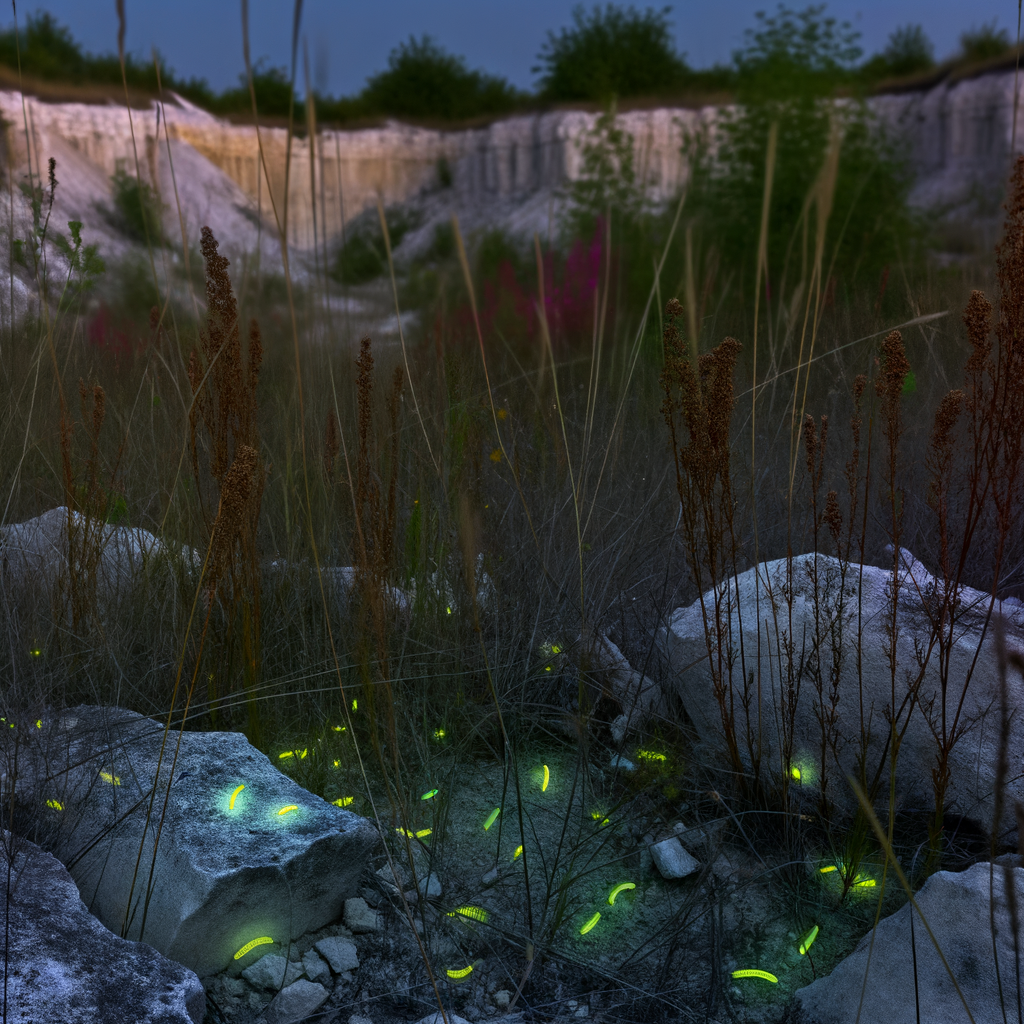
In a heartening sign for local biodiversity, a record number of female glow-worms have been spotted at Ketton Quarry in Rutland, according to the Leicestershire and Rutland Wildlife Trust (LRWT). The discovery marks a dramatic increase in the population of this luminous beetle species, which has suffered a significant decline over the past three decades. This recent sighting not only offers a glimmer of hope for glow-worm conservation but also underscores the importance of protecting and studying our native insect populations.

The LRWT reported that 86 glowing female glow-worms and eight males were found at the quarry in a single count last week, making it the highest number of females recorded at any one site in Rutland. For those unfamiliar with these fascinating insects, glow-worms are a type of beetle known for their bioluminescence. While they emit light throughout their life cycle, it is the adult females that shine most brightly, using their glow to attract mates during their brief adult lives.

Tim Sexton of the LRWT attributed this encouraging uptick in numbers to the particularly warm and wet summer experienced last year. These conditions, he explained, are ideal for snails, which form the primary diet of glow-worm larvae. The larvae stage can last up to two years, during which time the young glow-worms feed voraciously on snails and slugs. Once they reach adulthood, however, their time is fleeting. Adult glow-worms live for only about a week, during which they focus solely on reproduction.
“Their amazing ability to emit light really inspires wonder and reminds us of the magic that's in the natural world that's worth protecting,” Sexton told the BBC. I found this detail striking — a brief, glowing life dedicated entirely to the continuation of the species, underscoring both the fragility and resilience of nature.
The glow-worm's light show is a seasonal spectacle. According to the trust, the glowing females are typically visible from May through the end of July. This time frame offers a narrow window for both researchers and nature enthusiasts to observe these remarkable creatures in their natural habitat. The fact that 86 females were counted this year — more than double the 35 recorded at the same site last year — suggests that conditions have been especially favorable for their development and survival.
Glow-worms are often associated with undisturbed grasslands, old quarries, and hedgerows, where their larvae can find ample prey. Ketton Quarry, a nature reserve managed by the LRWT, provides just such an environment. The site’s management practices likely play a crucial role in supporting not only glow-worms but a variety of other invertebrate species as well. Conservationists often stress the importance of maintaining and restoring such habitats, especially as pressures from urban development and agricultural intensification continue to mount.
The significance of this record count goes beyond local interest. Across the UK and much of Europe, glow-worm populations have been in decline. Habitat loss, light pollution, and changes in land use are among the factors contributing to their dwindling numbers. Observations like those at Ketton Quarry provide valuable data that can inform broader conservation strategies and help identify which environmental factors are most beneficial for these beetles.
For the LRWT, the findings serve as both a cause for celebration and a call to action. While the increase in glow-worm numbers is promising, it remains essential to continue monitoring and protecting their habitats. As Sexton emphasized, the presence of these glowing beetles is a reminder of the hidden wonders that exist in the natural world — wonders that can easily be lost without careful stewardship.
Glow-worms also offer a unique opportunity to engage the public in conservation efforts. Their bioluminescent displays are not only scientifically intriguing but also visually captivating, making them ideal ambassadors for environmental education. Encouraging people to visit sites like Ketton Quarry during the summer months can foster a deeper appreciation for local wildlife and the ecosystems that support it.
As we continue to grapple with the broader challenges of biodiversity loss and climate change, stories like this one provide a rare and welcome sense of optimism. They remind us that with the right conditions and a commitment to conservation, even species that have been in decline can make a comeback. The glow-worms of Rutland are a small but shining example of nature’s resilience — and of the magic that still flickers in the darkness, waiting to be seen.