
Restaurants Found Serving Octopus Alive On Dinner Plates
Matthew Russell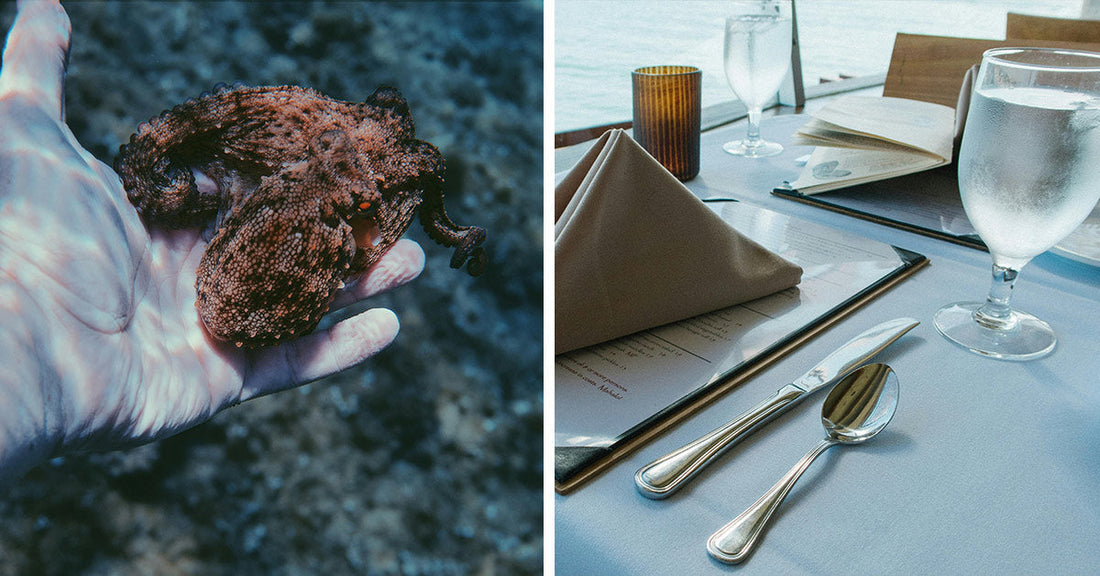
In some restaurants, “fresh” means alive. Tableside displays show tentacles that still grip. Customers laugh. Staff rush to keep an animal from crawling off a platter.
This is not a stunt from far away. In Queens, the Korean restaurant Sik Gaek has built a reputation around octopus prepared at the edge of life, a practice documented by both advocacy groups and local media, NY1 reports.
At similar venues on the West Coast and in New York, investigators have seen octopuses dismembered and plated while movement continues. The dish is known as sannakji. The spectacle draws a crowd. It also raises a simple question: what do we owe a sentient marine animal in its final moments?

Some restaurants serve octopus hacked apart alive.
What Diners Witness—and Why It Matters
Accounts from chefs and diners describe tentacles that twist after the knife falls. Suction cups clamp to plate, chopstick, and tongue. The effect can look like life. Reflex remains, even after a lethal cut, a Queens chef told NY1. But to people who watch limbs react to contact and salt, the distinction feels thin. A Canadian food feature captured the same scene—octopus legs still writhing, cups latching so hard that even a chef wondered about pain—while weighing whether “freshness” justifies the harm, as described by The Globe and Mail.
Cephalopod Minds, Pain, and the Science We Have
Octopuses are not simple seafood items. Research shows advanced problem-solving, sophisticated nervous systems, and striking behaviors, from tool use to complex social interactions, a picture of cognitive depth highlighted by PETA News. Specialists in invertebrate behavior point to clear markers of pain experience in cephalopods and even in crustaceans, including wound guarding and protective reactions, PETA Investigations reports. A decade earlier, a Canadian octopus expert told the Globe and Mail that these animals can anticipate, remember, and react—mental processes that align with the capacity to suffer.

Octopuses are intelligent and feel pain.
New York’s Legal Gap—and a Restaurant’s Defense
Despite the uproar, New York City’s health department has no specific rule against serving an animal alive, according to NY1. Sik Gaek’s chef told the station the octopus is killed first and that movement at the table reflects reflex, not awareness. Critics counter that tentacles cannot keep moving on a plate unless the animal was dismembered while still alive, and they object as well to hot pots in which lobsters and octopuses face death at the table, claims documented by PETA Investigations.
The Queens restaurant has faced sustained calls to change.
Freshness vs. Ethics
While chefs praise the clean flavor of shellfish opened moments before service, even seafood veterans question where to draw the line. Once animals with larger brains enter the picture, any gain in taste may not offset the cruelty, an industry expert told The Globe and Mail. Some chefs also note that many fin fish taste better after a short rest, not the instant they leave the tank, the same feature reported. Freshness is a value. It is not a blank check.

Scientists confirm cephalopods remember and anticipate suffering.
Choosing a Different Standard
Advocates urge the industry to move away from live service, starting with octopus. A campaign to push the National Restaurant Association toward an “ethical” shift has asked members to drop the species from menus, PETA News reports.
Restaurants set trends. Cities can close gaps in rules. Diners can ask how an animal died before it reached the plate. None of those steps dilute culinary ambition. They set a bar for grace at the end of a remarkable life.
Click below to make a difference.
