
🚨Urgent: Missile Strikes Shelter in Ukraine! Rush Emergency Aid!
Rob Schneider Demands Mandatory Service for Americas Youth
Matthew Russell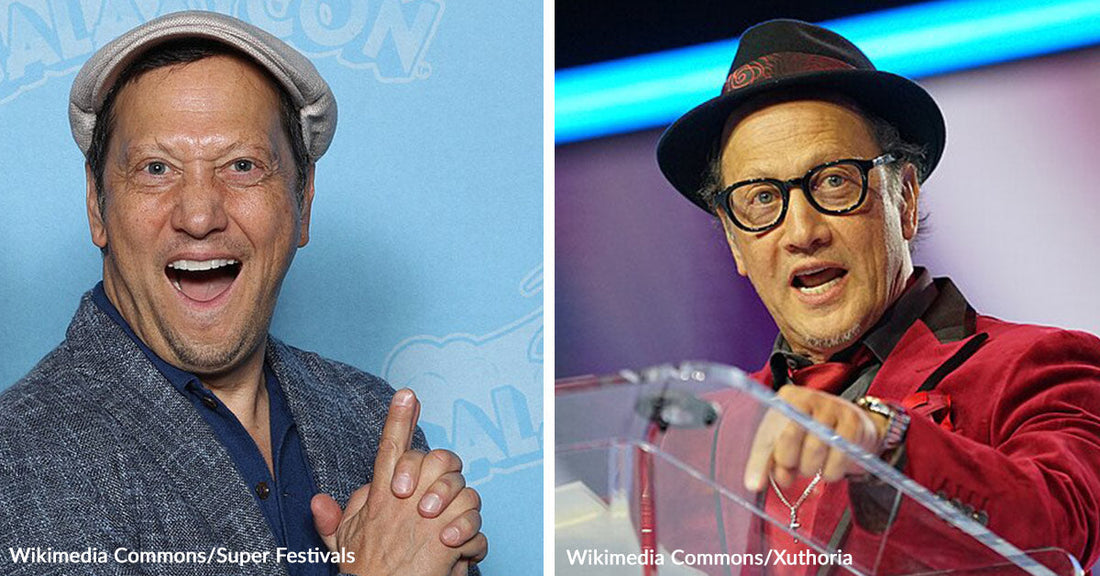
Rob Schneider has stepped into one of the most volatile debates in American public life by urging the United States to restore compulsory national service as war with Iran drags on. In posts highlighted by Entertainment Weekly, the actor said every American should serve two years at age 18, with some of that time allowed in volunteer roles at home or abroad.

Photo: Wikimedia Commons/Democratizemedia, License: Public Domain

What Schneider Says the Draft Would Fix
Schneider framed the idea as more than military policy. According to The Guardian, he argued that service would unite young people across race, creed, and religion. Entertainment Weekly reported that he also wants both young men and women put through rigorous physical training and believes a broader service requirement would leave the country with a force ready not only for war, but also for domestic emergencies.
Why the Timing Hit So Hard
The call landed in the middle of a widening conflict. Reuters reported that Washington has been trying to negotiate an end to the war even as strikes continued and thousands more U.S. troops were expected to head to the region.
That backdrop turned Schneider’s demand into something larger than celebrity commentary. It touched a public nerve already exposed by fears of escalation.

Photo: Wikimedia Commons / Super Festivals, License: CC BY 2.0
.jpg)
What the Law Actually Allows
The United States has not activated a draft since 1972, as The Guardian reports. The current system is narrower. The official Selective Service System says registration is required by law for men, while women are not currently required to register.
Even if leaders moved toward conscription, the Selective Service System says the law would first need to be updated to authorize a draft, and the first inductees would not arrive immediately.
A Political Flashpoint With Real Stakes
The White House has said a draft is not part of the current plan, though it has not fully closed the door, according to The Guardian. Schneider has argued that leaders might think harder before sending troops abroad if every class and every family had skin in the game. In a moment shaped by war, troop movements, and public anxiety, that argument has moved the draft from historical memory back into the live American conversation.
