
🚨Urgent: Missile Strikes Shelter in Ukraine! Rush Emergency Aid!
Octopus Grips Child at Aquarium and Sparks Outcry Over Safety and Animal Welfare
Matthew Russell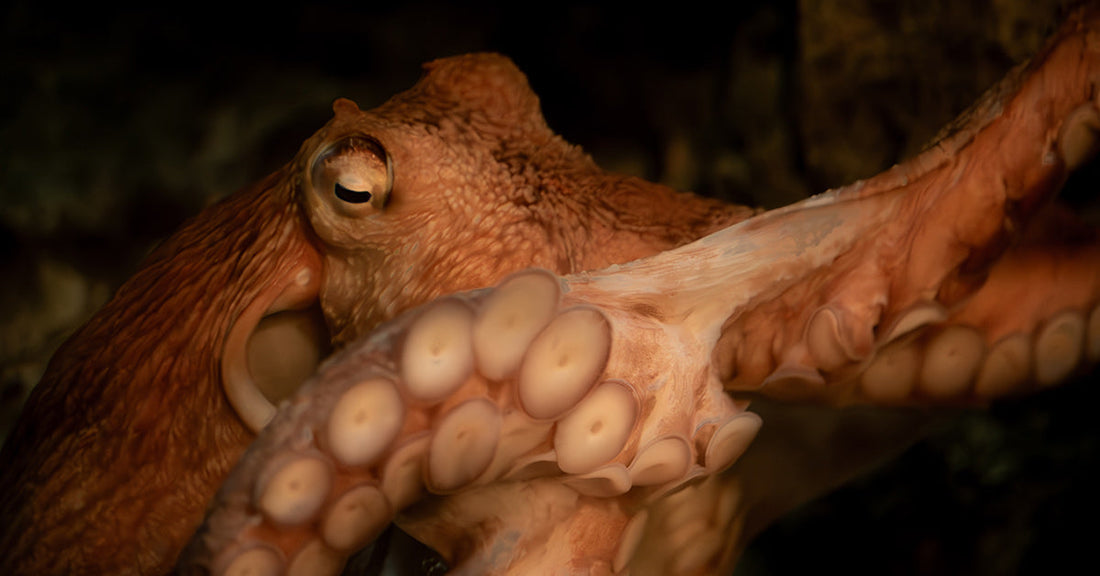
The moment a giant Pacific octopus clamped onto a six-year-old’s arm at the San Antonio Aquarium, a family outing turned into a lesson about curiosity, risk, and responsibility.
The boy’s mother, Britney Taryn, said the animal held fast for several minutes and left deep suction marks; staff ultimately used ice packs to prompt a release, USA TODAY reports. In the days that followed, the incident spread across social media and raised urgent questions about how—and whether—hands-on octopus encounters should happen at all.

A six-year-old was grabbed by an octopus at the San Antonio Aquarium.
When Curiosity Meets Contact
Touch tanks are marketed as enabling a closer connection to marine life. They also compress the distance between a sensitive, intelligent invertebrate and eager human hands. The aquarium has described its octopus exhibit as a 1,000‑plus‑gallon habitat with a tall barrier and rules requiring staff oversight for feeding interactions.
In its public statement, the facility characterized the octopus’ behavior as exploratory, said medical help was offered, and noted an incident report signed by the mother—claims she disputes, according to the San Antonio Express‑News.
Taryn’s account also describes the animal partially emerging from the water before staff intervened.

Octopuses are highly intelligent and sensitive beings.
Standards, Oversight, and a Gap in the Rules
The San Antonio Aquarium is not accredited by the Association of Zoos & Aquariums, which says most USDA‑licensed facilities do not meet its gold‑standard benchmarks. Importantly, octopuses and other invertebrates fall outside the federal Animal Welfare Act, leaving a regulatory gap for encounters with species like Giant Pacific octopus, KSAT reports.
While the aquarium’s most recent USDA inspection found no non‑compliant items this spring, past years brought a string of “non‑critical” citations and a separate porcupine fatality.
Patterns and Perception
For Taryn’s family, the octopus had long been a familiar attraction; she says prior interactions were routine. According to KSAT, during the July visit, she perceived different behavior and later sought expert input about age‑related changes in octopuses.
The aquarium, meanwhile, posted educational videos showing an employee describing strong suction as normal and temporary, USA TODAY reports. Those competing narratives—one centering on risk, the other on routine—collide in the public arena, where a single unsettling moment can redefine how visitors view an exhibit.

Octopuses are excluded from the Animal Welfare Act.
Public Fallout and Calls for Change
The incident triggered renewed scrutiny of the aquarium’s interactive experiences. Animal‑welfare advocates staged a small protest urging the octopus’ removal and a broader rethinking of hands‑on encounters, according to MySA. The same outlet noted previous enforcement history tied to the company’s ownership and linked to violations at related facilities, even as the San Antonio location passed its latest inspection.
Taryn continues to push for stronger policies and, ultimately, a placement that puts the animal’s needs first.

Compassionate action is needed to safeguard both people and animals.
What Responsible Interaction Should Look Like
Octopuses are problem‑solvers with powerful arms, acute touch, and complex behavior. In spaces that invite human contact, the margin for error narrows.
This episode, however brief, left a lasting imprint—on a child’s arm, on community trust, and on a public conversation about where curiosity should end and caution should begin. Protests have added pressure, and kept the spotlight fixed on a single octopus—an ambassador, for better or worse, for the responsibilities that come with touch.
Click below to make a difference.
