
🚨Urgent: Missile Strikes Shelter in Ukraine! Rush Emergency Aid!
Florida Sea Turtle Nesting Season Shaken by Preventable Attack on Hatchlings
Matthew Russell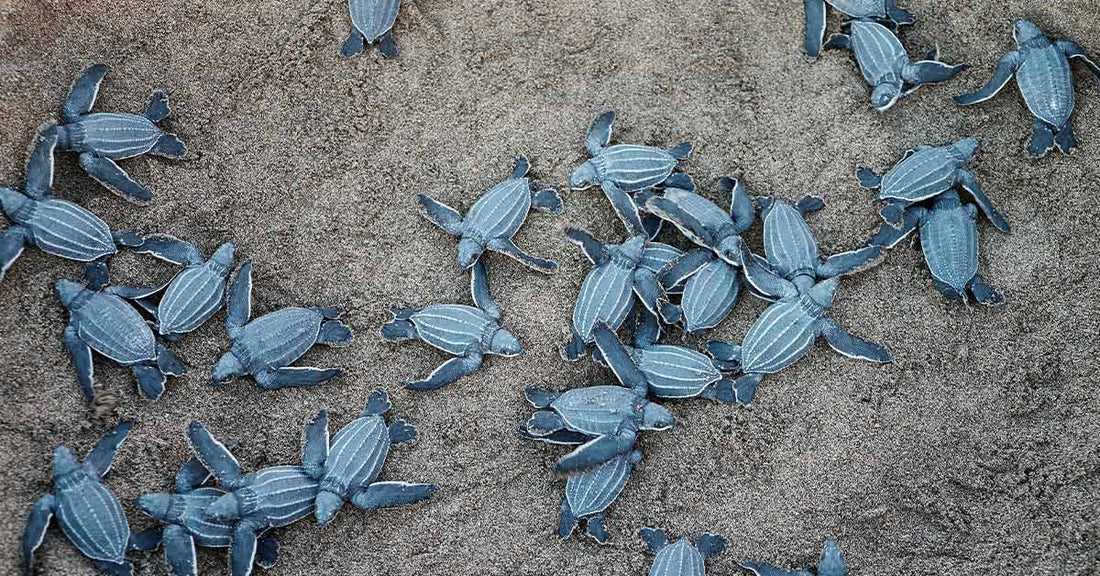
In Atlantic Beach, Florida, volunteers with the Beaches Sea Turtle Patrol made a grim discovery. Twenty-three hatchling sea turtles, no larger than a child’s hand, were found dead just steps from the nest where they had emerged. Investigators determined the cause: an unleashed dog roaming the shoreline had attacked the defenseless reptiles as they scrambled toward the ocean.
The deaths rattled the local community because each nest represents a fragile chance for survival. Experts often cite that only about one in every thousand hatchlings lives long enough to reach adulthood, according to the Tampa Bay Times.

Twenty-three sea turtle hatchlings were killed on Atlantic Beach.
Vulnerability during “turtle boils”
Sea turtles hatch in mass events known as “turtle boils.” At once, dozens of tiny reptiles erupt from the sand and move instinctively toward the water, guided by the slope of the beach and reflections from the sea. Emerging together increases their odds of survival against predators like birds, foxes, and raccoons. But the presence of an unleashed pet during such a moment can devastate the group, as this incident showed.
Each nest can hold more than 100 eggs. Losing 23 hatchlings from one nest does not erase the possibility that others reached the ocean, but conservationists see every single turtle as critical. Beaches Sea Turtle Patrol field supervisor Kevin Brown said that recent storm surges from Hurricane Erin had already compromised dozens of nests in Duval County. According to First Coast News, with many washed over by tides, only a handful of nests remained with a real chance of producing strong hatchling numbers.

An unleashed dog is suspected of the attack.
Shared beaches, shared responsibility
The incident has reignited calls for residents and visitors to leash their pets, not only to protect wildlife but also because leash laws are already in place. Atlantic Beach ordinances require dogs to remain on leashes no longer than 12 feet while on the sand. The only exception allows a dog to swim freely if the owner is also in the water. Once back on land, the leash must go on again, Action News Jax reports.
Despite these regulations, enforcement remains a challenge, especially early in the morning when fewer people are present. The Atlantic Beach Police Department reminded the public that beaches are shared spaces for people, pets, and wildlife. As Jacksonville Today reports, they urged anyone who spots a loose dog to call their non-emergency line to help prevent another tragedy.

A single turtle nest can contain more than 100 eggs.
Legal consequences for pet owners
While the damage in this case came from an animal, not a person, Florida law still holds pet owners accountable. The Florida Fish and Wildlife Conservation Commission (FWC) classifies any destruction of nests or harassment of hatchlings as a violation of the Endangered Species Act. That can carry penalties of up to $100,000 in fines and as much as a year in prison. FWC spokesperson Robert Lentz explained that owners are fully liable for what their dogs do, whether leashed or unleashed, First Coast News reports.
The stakes extend beyond penalties. Every species of sea turtle nesting in Florida—including loggerhead, green, leatherback, Kemp’s ridley, and hawksbill—has federal protection because of declining populations. Their survival depends on human cooperation as much as natural resilience.

Beaches Sea Turtle Patrol discovered the carcasses during a survey.
Balancing recreation and conservation
Local officials say the path forward involves education and vigilance. Beachgoers are urged to respect signs marking nesting zones, reduce artificial lighting that can disorient hatchlings, and leash dogs without exception. The simple act of securing a pet could mean the difference between dozens of turtles beginning their ocean journey or perishing in the sand.
With nesting season running through early fall, advocates emphasize that awareness cannot fade after this incident. The loss of 23 hatchlings is a harsh reminder that conservation is fragile and requires collective responsibility.
Click below to make a difference.
