
🚨Urgent: Missile Strikes Shelter in Ukraine! Rush Emergency Aid!
Rare Jungle Footage Shows Evidence of Sumatran Tiger Families Defying Extinction
Matthew Russell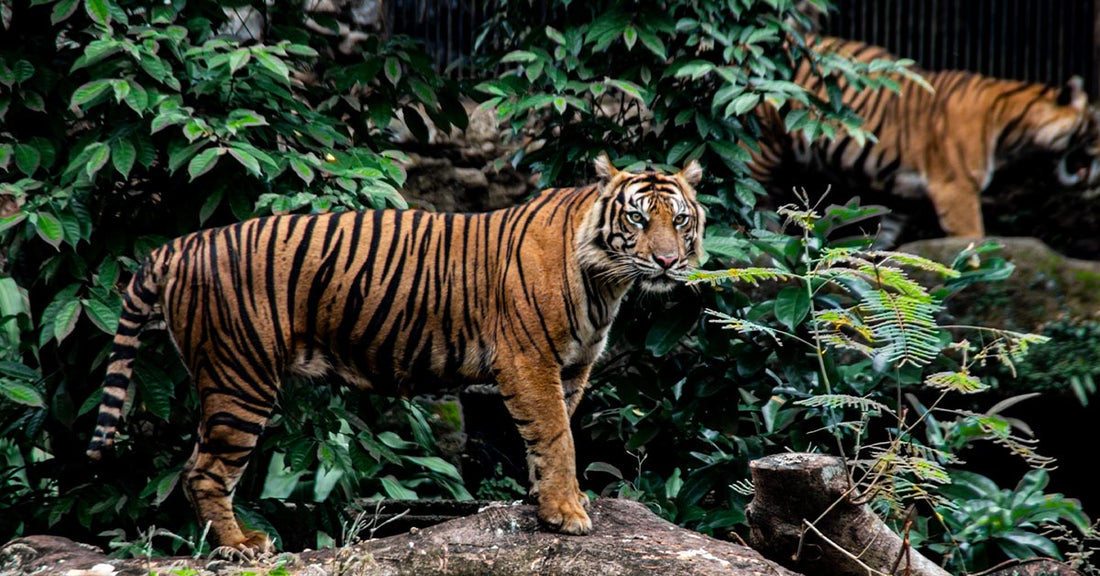
Camera traps hidden deep in the Leuser Ecosystem have revealed intimate glimpses of Sumatran tigers living in one of the last strongholds for the species. Researchers working with wildlife agencies and local communities recorded nearly three times more tiger images than past surveys, an outcome that surprised even seasoned conservationists, Discover Wildlife reports.
Their findings show a population not only holding on, but raising cubs in numbers rarely documented in Sumatra.

A Forest Large Enough for Tigers to Survive
Leuser stretches across lowland, hill, and montane forests—roughly three times the size of Yellowstone. Almost half of this landscape remains intact, providing the continuous canopy tigers need to hunt and roam. It also receives unusually frequent patrols, limiting poaching pressure. Conservation biologist Joe Figel told Frontiers that the team documented “a robust tiger population, apparently among the healthiest on the island.”
Across 18 months, researchers set out dozens of infrared cameras during three monitoring periods. These cameras yielded 282 clear images and identified 27 individual tigers—14 females, 12 males, and one unsexed adult. The repeated sightings of females offer strong evidence of high-quality habitat, where cub survival is possible.

Camera traps in the Leuser Ecosystem recorded unusually high tiger activity.
Family Life in the Jungle
The cameras captured three sets of cubs within six months. One tigress was seen grooming her two large male cubs, a rare moment that hints at stability and ample prey. Many of these encounters occurred outside the large national park at the ecosystem’s core, showing that provincially protected forests can nurture thriving tiger populations, according to Nautilus.
Movement patterns gathered from the images also help shape future monitoring strategies, such as where cameras should be spaced and how long they should remain in place.

Researchers identified 27 individual Sumatran tigers from the images.
A Look at the Wider Forest Community
Other camera-trap studies show how tigers influence the rhythms of the forest. In Bukit Barisan Selatan National Park, clouded leopards shifted their activity to avoid tigers during peak hunting hours, while smaller cats moved freely, University of Illinois News reports. These behavioral snapshots show how tigers shape the daily decisions of other species.
Hope in a Shrinking World
Sumatran tigers now occupy just a fraction of their historic range. Yet the Leuser findings show what is still possible when intact forests, community support, and consistent patrols work together. As Earth.com reports, this stronghold offers space, prey, and the conditions these big cats need to endure.
