
EPA Rules Leave Neighborhoods Near Trash Incinerators Exposed To Toxic Air
Matthew Russell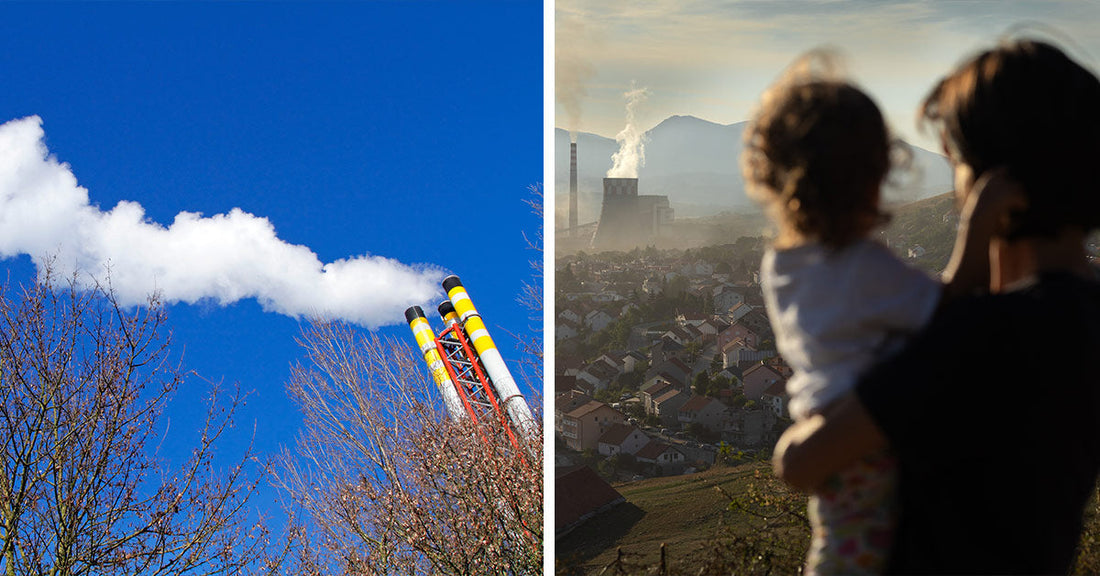
Trash incinerators burn municipal waste and release pollution into the air. For nearby communities, especially those already burdened by industrial facilities, that pollution can become part of daily life.
EPA finalized new standards for large municipal waste combustors in March 2026. The agency’s fact sheet says the rule strengthens emission limits and requires facilities to use proven pollution controls. But community and environmental groups say the rule remains far weaker than the Clean Air Act requires.
Earthjustice and the Environmental Integrity Project filed a lawsuit challenging EPA’s standards. They argue EPA failed to require the strongest achievable pollution limits and left communities exposed to dangerous emissions.

Children should not breathe avoidable incinerator pollution.
Weak Rules Have Real Consequences
Large municipal waste combustors can emit pollutants such as particulate matter, lead, nitrogen oxides, sulfur dioxide, acid gases, mercury, and dioxins. These pollutants can affect respiratory health, development, cancer risk, and overall community well-being.
Waste Dive reported that the challenged rule is less stringent than EPA’s 2024 proposal. The Federal Register notice says EPA estimates the final rule will reduce regulated pollutants from existing sources by 3,269 tons per year. Advocates say communities deserve stronger reductions when technology can do more.
Gothamist reported that the lawsuit could affect pollution standards for incinerators serving communities in New Jersey, the Hudson Valley, and Long Island, including residents near Newark’s waste incinerator.

Trash incinerators can pollute nearby neighborhoods.
EPA Must Put Health First
EPA has the authority to strengthen these rules. It can require stronger emissions limits, continuous monitoring where feasible, transparent public reporting, and real enforcement when facilities violate standards.
Burning trash should not mean sacrificing neighborhoods. Families near incinerators deserve protections based on current technology and public health, not industry convenience.
No child should grow up breathing avoidable toxic emissions because federal rules were weaker than the law allows.
Sign the petition to urge EPA to strengthen trash incinerator pollution rules and protect frontline communities from toxic air.
