
Veterans Brace For Empty Fridges As White House Halts SNAP Benefits During Shutdown
Matthew Russell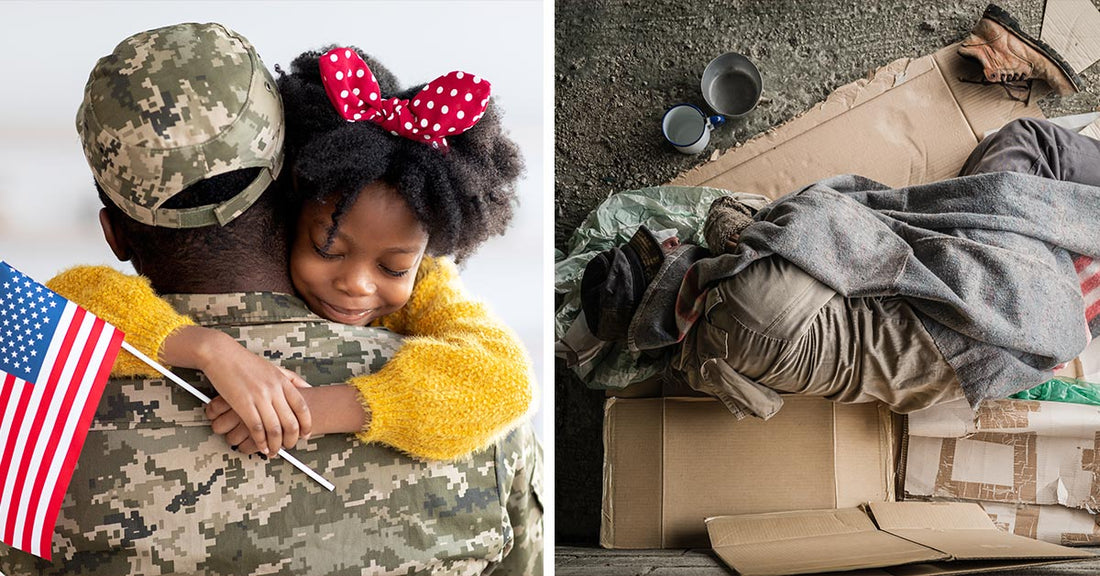
A halt in the Supplemental Nutrition Assistance Program would hit veterans and service members fast. More than 1.2 million veterans and 22,000 active-duty military families use SNAP to keep groceries in the house, according to the Center on Budget and Policy Priorities, which also finds veterans face higher rates of food insecurity than non-veterans due to health conditions, uneven employment, and low wages in some civilian jobs, reports the Center on Budget and Policy Priorities.
Pressure on SNAP has intensified during the shutdown, with public statements from the White House that benefits would not resume until government reopens, a warning that places more than a million veterans’ monthly food budgets in jeopardy, the Economic Times reports.
Help Feed People & Pets Facing Hunger as SNAP Benefits Expire

Food insecurity affects one in ten working-age veterans.
What a Freeze Means at the Kitchen Table
Households already on thin margins could run out of cash mid-month. Disabled veterans on fixed incomes describe refrigerators with a single onion left before SNAP arrives, a picture that reflects how benefits function as the last barrier between dinner and nothing for many families, according to Military.com.
In New England, local veteran groups are bracing for hard choices: food or rent, gas or groceries, with community pantries near a breaking point after months of high demand, reports NBC Boston.
Junior Enlisted and Young Families Face the Steepest Drop
Younger, junior enlisted households—often with children—sit at the highest risk. Advocacy leaders for military families warn that a missed month of benefits would push many into severe hardship, Task & Purpose reports. Base-adjacent food banks already report surges near Fort Cavazos, San Diego, Norfolk, and Alaska as families try to bridge gaps with pantry lines and emergency grants.
Help Feed People & Pets Facing Hunger as SNAP Benefits Expire

Federal delays have left veteran households without food assistance.
Why So Many Veterans Depend on SNAP
The need is structural, not episodic. Veterans show higher rates of service-connected disabilities, mental health conditions, and barriers to steady employment. The number of veterans with service-connected disabilities has climbed, and those with disabilities participate in the labor force at lower rates than their peers.
Food insecurity runs higher among veterans of color and those with lower education or recent unemployment according to the Center on Budget and Policy Priorities. SNAP reduces that risk, yet eligible veterans participate at lower rates than the broader low-income population, leaving many without aid during shocks.
Ripple Effects Across Communities
A freeze would not only empty household cupboards. It would crush overstretched food banks, spike demand for emergency aid, and compound stress in homes already juggling delayed military paychecks and furloughed spouse incomes during the shutdown. Local veteran-serving nonprofits expect longer lines and thinner shelves if SNAP deposits fail to arrive on schedule, Task & Purpose reports.
Help Feed People & Pets Facing Hunger as SNAP Benefits Expire

Over one million veterans rely on SNAP to feed their families.
The Policy Standoff—and the Human Clock
While officials trade legal arguments over contingency funds and shutdown procedure, families cannot trade hunger. Veterans’ advocates note that SNAP’s monthly cadence leaves no cushion; when the deposit fails, the pantry empties.
With 42 million Americans on SNAP—including more than 1 million veterans—the stakes reach far beyond politics, landing in kitchens where the next meal depends on a benefit arriving on time.
Click below to make a difference.
