
🚨Urgent: Missile Strikes Shelter in Ukraine! Rush Emergency Aid!
PFAS Sludge Threatens Wildlife Habitat Across America
Matthew Russell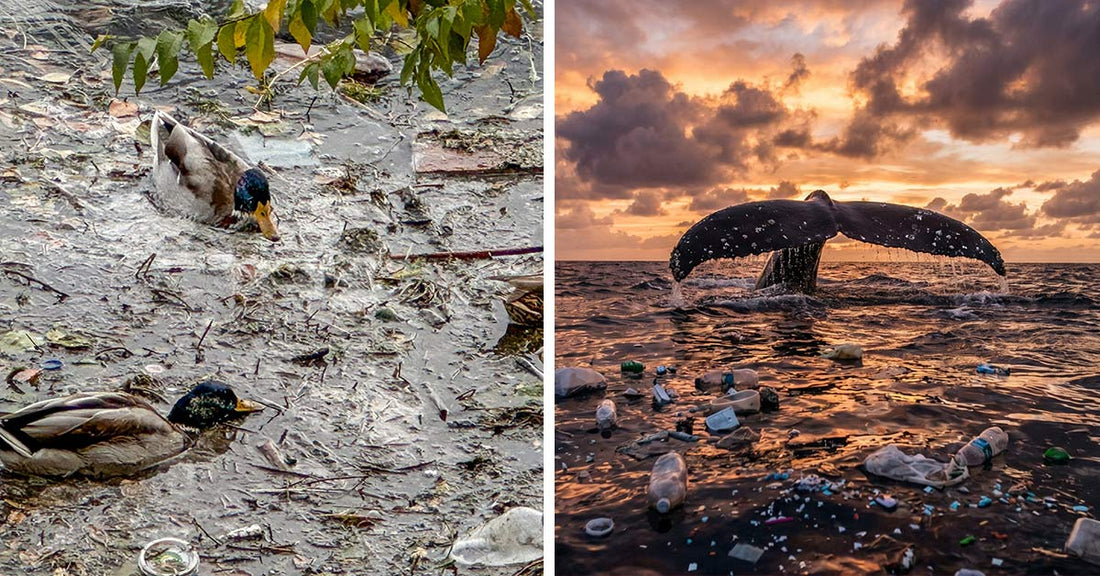
PFAS pollution is not limited to drinking water headlines or factory fence lines. These persistent chemicals can also move through sewage sludge, the treated wastewater solids often called biosolids, and end up on land as fertilizer. Once there, they can threaten soil, water, farms, and the wildlife that depends on those landscapes.
The EPA is now taking public comment on draft guidance related to PFAS risks in sewage sludge, Reuters reports. That decision comes after years of mounting concern over how PFOA and PFOS, two well-studied PFAS compounds, move through wastewater systems and into land-applied biosolids.

PFAS chemicals can persist in soil and water long after contaminated sludge is spread.
Contamination Can Move From Fields To Food Webs
Sewage sludge begins as waste from homes, businesses, industries, landfills, and other sources that flows into wastewater treatment plants. Treatment can reduce pathogens and other hazards, but it does not necessarily remove PFAS. As InvestigateTV reported, PFAS can build up in leftover solids and then spread when those biosolids are applied to fields.
This is not only a farm issue. Runoff can carry contamination into streams and sediments. Fish and other aquatic life can take up PFAS. Wild game can ingest contaminated water, grasses, hay, and soil. Birds and other animals can encounter PFAS through insects, plants, prey, and nesting habitat.
In North Carolina, WRAL reported that a state study found PFAS in wastewater, biosolids, and soil, including PFOS in most biosolids samples and in every soil sample taken from repeatedly treated fields. More than half of the state’s biosolids are spread on land, covering tens of thousands of acres.

Sewage sludge can carry PFAS from wastewater systems onto fields and into habitat.
State Rules Cannot Replace Federal Action
States have started to respond, but protections vary widely. The Rockefeller Institute of Government found that state action on PFAS in biosolids now includes testing, limits, liability protections, funding proposals, and land-application bans. That patchwork leaves wildlife and communities with uneven protection.
Waste systems also face practical problems. Waste Dive reported that Maine and Maryland are pursuing new approaches as states weigh bans, testing, disposal capacity, and treatment technologies. These challenges are real, but they cannot justify weak safeguards. The longer PFAS-contaminated sludge is spread without clear federal limits, the harder cleanup becomes.

Federal guidance on PFAS in biosolids could shape protections across the country.
Wildlife Shows Why Regulation Matters
PFAS can remain in ecosystems for years. Yet regulation can work. The Guardian reported that levels of some dangerous PFAS compounds fell sharply in northern gannet eggs after regulatory pressure reduced older PFAS uses. That progress shows that strong policy can reduce exposure in wildlife over time.
But newer PFAS compounds and legacy contamination remain serious concerns. Animals cannot choose clean water, safer soil, or uncontaminated prey. They live with the consequences of human chemical decisions.

Fish and other aquatic species may face exposure when runoff reaches streams and sediments.
The EPA Must Protect Wildlife Before More Damage Is Done
The EPA should finalize strong federal guidance that requires meaningful PFAS testing in biosolids, stronger source control, transparent public reporting, risk-based limits, and clear protections for groundwater, surface water, and wildlife habitat.
PFAS-contaminated sewage sludge should not be allowed to quietly spread through the places animals feed, drink, nest, and raise their young. The EPA has the authority to reduce that risk now.
Click below to make a difference.
